
Key Takeaways on IT Asset Buyback
- IT asset recovery buyback pricing depends on three main payout models: fixed-price, revenue-share and hybrid. Each model balances payment speed against maximum recovery potential.
- Buyback value depends on asset age, specifications, condition grade, brand, volume and timing. Newer enterprise-grade equipment commands the strongest secondary-market prices.
- Transparent providers issue line-item reports showing gross value, fees and net proceeds per serial number. This reporting helps organizations avoid hidden deductions that erode recovery.
- Certified chain-of-custody plus R2v3, e-Stewards, NAID AAA and ISO certifications protect compliance and resale value while supporting zero-landfill outcomes for non-resalable assets.
- Full Circle Electronics delivers transparent revenue-sharing, certified processing across U.S., Mexico and Colombia facilities and real-time portal reporting. Maximize recovery on the next refresh with a tailored program.
Step-by-Step IT Asset Buyback Process
A structured buyback program follows a defined sequence from initial inventory submission through final payout. Clear stages set expectations and reduce surprises.

- Inventory submission: The organization provides a detailed asset list including serial numbers, model numbers, processor configurations, installed memory, storage capacity and condition grades. Detailed inventories produce more precise and efficient valuations from buyback providers.
- Evaluation and quoting: The provider assesses residual resale value against processing costs, including data erasure, handling, logistics and certified recycling, to determine whether assets yield positive, neutral or negative net value. IT equipment can result in positive buyback value, zero-cost collection or a recycling fee depending on whether resale value exceeds processing costs.
- Logistics and pickup: Assets move through on-site white-glove service or a standardized box program for remote locations. The logistics method directly affects net proceeds through freight and handling costs.
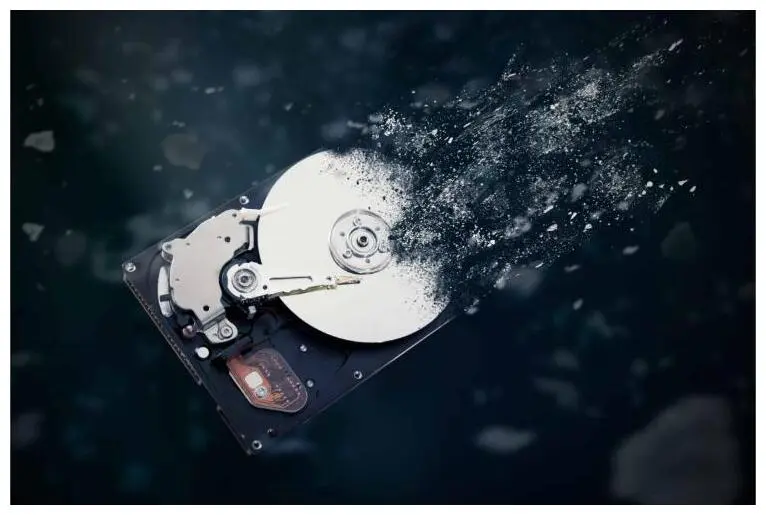
- Data destruction: All data-bearing media undergoes certified sanitization using wiping, degaussing or physical shredding per NIST 800-88 or DoD 5220.22-M standards. The provider issues certificates of destruction per serial number.
- Grading and processing: Technicians grade assets by condition, test functionality and sort units for remarketing, parts harvesting or responsible recycling.
- Remarketing or recycling: Qualifying assets enter secondary markets, while non-qualifying assets move through certified recycling channels. Working enterprise-grade servers can command higher value when sold to refurbishers rather than recyclers.
- Payout and reporting: The provider issues payment and a line-item report showing per-asset sale prices, fees and net proceeds.
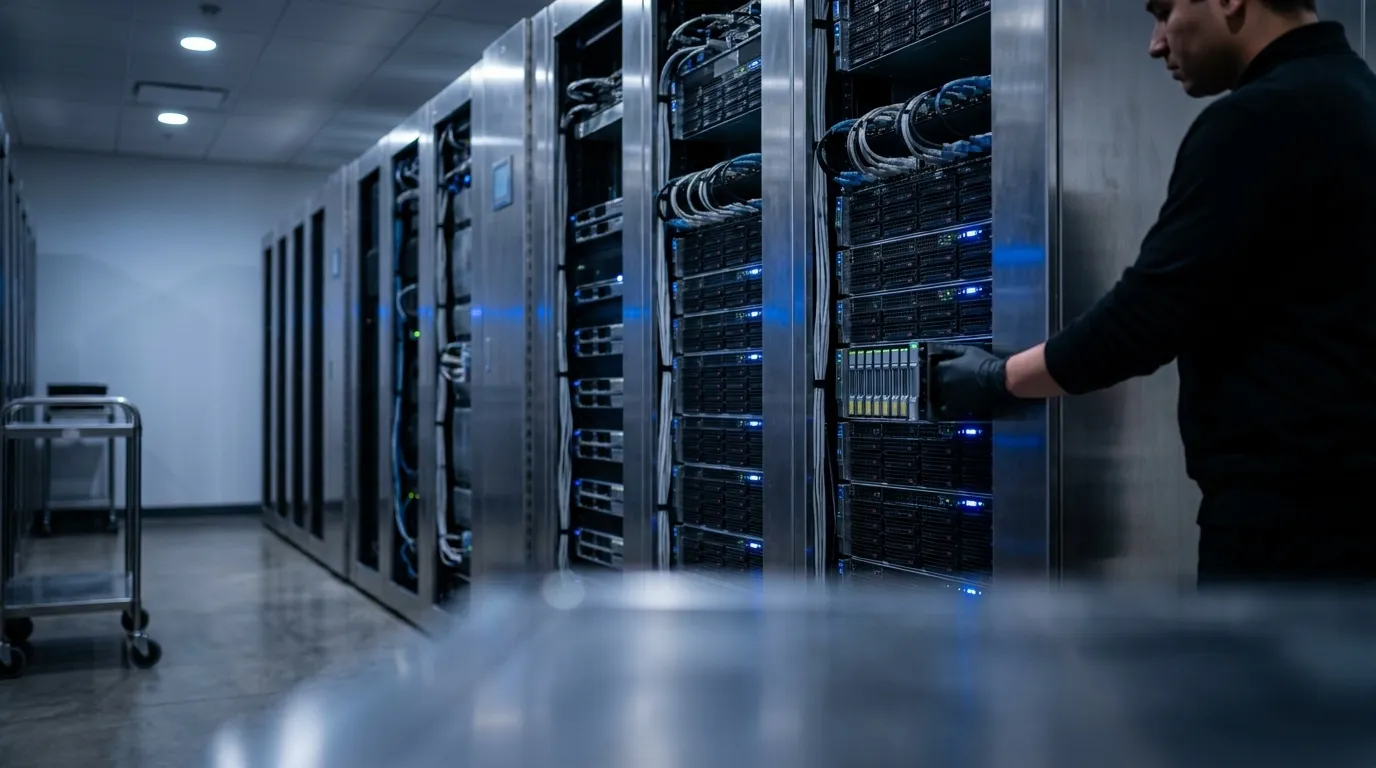
Full Circle Electronics manages every stage of this process, from on-site de-racking through final disposition, with 24/7 tracking through a secure client portal. Request a quote for an upcoming refresh and align payout expectations with this process.
Key Factors That Shape Buyback Pricing
Several variables work together to determine where a given asset lands within the market valuation range.
Age and generation: Age is the most influential pricing factor because secondary-market buyers prioritize current-generation equipment. A current-generation server is worth substantially more than a unit two or three generations back. A newer unit is worth more than an older equivalent. Resale value for used servers often drops when manufacturers announce new chip generations, as buyers anticipate newer technology entering the market.
Specifications: Hardware specifications influence pricing even for assets of the same model and age. Higher-end configurations command stronger demand. Newer processor generations, DDR4 or DDR5 memory and NVMe storage support higher pricing than older configurations.
Condition grade: Condition grading directly affects resale channel and price. Assets in better condition generally sell for more than those with minor wear, while units with visible damage are often routed to parts and valued lower. Physical issues such as cracked screens or water damage history reduce value further and can push assets into parts-only categories.
Volume: Lot size influences both pricing and logistics efficiency. The secondary market can apply a volume premium for larger homogeneous lots. Higher volumes per site can improve freight efficiency, while lower volumes may make recycling the better option due to logistics costs.
Brand: Brand reputation and enterprise focus affect demand. Professional-grade brands command higher buyback prices than consumer models of identical specs, with Apple, Lenovo ThinkPad, HP EliteBook and Dell Latitude retaining the strongest secondary-market demand.
Timing: Timing of disposition influences how much value remains in the fleet. Equipment stored for a year after decommissioning may lose value it had at retirement. Most enterprise laptops depreciate to scrap value within five years, and servers within seven, so selling immediately after a refresh protects recovery.
These six factors interact to determine where each asset falls within the market valuation range. The next section provides representative recovery values across common asset categories.
Typical Recovery Values by Asset Type in 2026
The figures below reflect 2026 secondary-market ranges from published industry sources. All values are directional; actual quotes depend on exact configuration, condition, volume and current demand. Every engagement requires a formal assessment.
Laptops (enterprise-grade, functional): Enterprise laptops from Dell, HP and Lenovo typically recover 15% to 35% of original purchase price when functional and less than three years old. Recovery often drops to 5% to 15% for units four to five years old, with cosmetic damage or missing components pushing values toward the lower end.

Servers (rack-mount, enterprise OEM, functional): Current-generation enterprise servers can recover 20% to 40% of purchase price when less than three years old and fully configured. Units four to six years old typically yield 5% to 15% depending on configuration, condition and demand for specific processor and memory combinations.
Networking and storage: Enterprise-grade switches and storage arrays follow similar depreciation curves, with current-generation equipment often recovering 25% to 45% of purchase price. Premium brands and high-capacity configurations command the highest recovery rates, while legacy models trend closer to scrap value.
Payout Models for IT Asset Buyback
The choice of payout model is the largest lever organizations control when targeting higher net recovery.
Fixed-price buyback: The provider pays a set amount per asset after inspection and assumes resale-market risk. Outright buyback typically settles in short lead times at a percentage of new purchase price, with the vendor assuming all resale-market risk. This structure suits organizations that prioritize payment speed and certainty, even when that approach reduces total proceeds.
Revenue-share (consignment): The provider markets and sells assets on the organization’s behalf, then remits a defined percentage of net proceeds. Consignment models return a percentage of net proceeds after sale, with longer settlement timelines and typical recovery at the higher end of market ranges. This model fits higher-value fleets and programs with flexibility on timing. Full Circle Electronics uses a transparent revenue-sharing model with line-item reporting per serial number so finance and procurement leaders see exactly how proceeds are derived.
Hybrid: Some programs blend fixed-price payments for high-confidence assets with revenue-share arrangements for assets that benefit from active remarketing. This structure balances cash-flow predictability with upside potential on premium equipment.
The primary tradeoff centers on speed and certainty versus maximum net recovery. Specialist asset recovery channels with direct buyer relationships can deliver higher recovery than generalist ITAD broker channels.
How Logistics and Data Destruction Fees Affect Net Recovery
Gross asset value differs from net proceeds because fee categories reduce the final payout. Opaque providers sometimes obscure these deductions until settlement, which complicates planning and budgeting.
Certified providers can absorb or offset many of these costs through remarketing proceeds when asset value supports it. For high-value fleets, revenue-share models can cover decommissioning costs and return net cash to the client. Full Circle Electronics applies recovered remarketing value against service costs and provides itemized reporting so every deduction remains visible.
How to Compare ITAD Quotes Without Hidden Deductions
Quote comparison works best with a structured approach. The following checklist supports consistent evaluation across providers.
- Request a line-item breakdown showing gross asset value, each fee category and net proceeds per serial number.
- Confirm whether logistics, data destruction and processing fees are included in the quoted net or billed separately.
- Verify that the payout model, whether fixed, revenue-share or hybrid, is explicitly stated and that settlement timelines are defined.
- Ask for sample payout reports from comparable prior engagements to validate reporting transparency.
- Confirm that data destruction certificates are issued per asset, not per batch, and that the destruction method meets NIST 800-88 or DoD 5220.22-M requirements.
- For multi-site programs, confirm that reporting is consolidated across all locations with consistent grading methodology.
- Verify that the provider holds current certifications, including R2v3, e-Stewards and NAID AAA, and that those certifications cover the specific facilities processing the assets.
Red Flags in IT Asset Recovery Vendor Offers
Several warning signs indicate a vendor may not deliver transparent or compliant recovery.
- Lump-sum quotes with no per-asset or per-category breakdown.
- Absence of chain-of-custody documentation from pickup through final disposition.
- Data destruction certificates issued per shipment rather than per serial number.
- Undisclosed or variable fees revealed only at settlement.
- No verifiable certifications or certifications that do not cover the processing facility.
- Inability to provide real-time tracking or portal-based reporting during the engagement.
- Pricing that does not account for condition grading, with a single price for all assets regardless of state.
Organizations managing regulated data in healthcare, financial services and defense face compounded risk when vendors cannot produce audit-ready documentation. Review a current vendor proposal with the Full Circle Electronics team or request a competing quote to benchmark terms.
Why Certified Chain-of-Custody Protects Asset Value
Certifications define processing standards that protect compliance, security and recovery value across the disposition lifecycle.
R2v3 (Responsible Recycling): This standard requires tested, data-sanitized equipment to be prioritized for reuse before recycling, which directly supports higher recovery rates.
e-Stewards: This certification prohibits export of hazardous e-waste to developing countries and requires downstream vendor accountability throughout the disposition chain.
NAID AAA: This standard represents the highest certification level for data destruction operations and requires background-checked employees, unannounced audits and documented chain-of-custody for every data-bearing asset. Full Circle Electronics holds NAID AAA certification and employs background-checked staff.
ISO 9001 / 14001 / 45001: These standards govern quality management, environmental management and occupational health systems, which support consistent process execution across facilities.
Full Circle Electronics holds R2v3, e-Stewards, NAID AAA, ISO 9001, ISO 14001 and ISO 45001 certifications. Its real-time client portal provides 24/7 access to certificates of destruction, serialized asset records and audit-ready reports. White-glove on-site services, including de-racking, on-site data destruction and asset reconciliation, maintain an unbroken chain of custody from the client floor through final disposition across facilities in the U.S., Mexico and Colombia.
Evaluation Checklist for ITAD Quote Review
- Payout model is explicitly defined as fixed, revenue-share or hybrid, with settlement timeline stated.
- All fee categories are itemized separately from gross asset value.
- Data destruction method and standard, such as NIST 800-88 or DoD 5220.22-M, are specified per asset type.
- Certificates of destruction are issued per serial number within a defined timeframe.
- Provider certifications, including R2v3, e-Stewards and NAID AAA, are current and cover the processing facility.
- Real-time tracking and portal-based reporting are available throughout the engagement.
- Multi-site programs use consistent grading and reporting methodology across all locations.
- Chain-of-custody documentation covers every transfer point from pickup to final disposition.
- Recycling paths for non-resalable assets are certified and follow a zero-landfill commitment.
- Provider can supply references or sample reports from comparable prior engagements.
Frequently Asked Questions
What fees are typically deducted from IT asset buyback proceeds?
Common deductions include outbound logistics and pickup costs, data destruction and sanitization fees, processing and grading labor, program administration overhead and, for assets with no resale value, certified recycling fees. The net payout equals gross remarketing value minus these costs. Transparent providers issue a line-item report showing every deduction per serial number. Full Circle Electronics applies recovered remarketing value against service costs and provides itemized reporting so organizations see exactly how net proceeds are calculated.
What data destruction standards apply in IT asset buyback programs?
The two primary standards are NIST SP 800-88 and DoD 5220.22-M. NIST 800-88 defines three sanitization categories, Clear, Purge and Destroy, with specific methods for each media type including solid-state storage. DoD 5220.22-M specifies overwrite patterns historically used for classified media. Full Circle Electronics performs certified wiping, degaussing, crushing and shredding in compliance with both standards and issues certificates of destruction per asset. The 2025 update to NIST SP 800-88 reinforced verification requirements for solid-state storage, which makes certified documentation more important for regulated industries.
How does a multi-site or cross-border program affect pricing and recovery?
Multi-site programs introduce logistics complexity that can erode net proceeds when no single accountable provider manages grading and reporting. Cross-border programs, particularly those involving Latin America, require a provider with certified facilities and established workflows in each country to avoid compliance gaps and transit delays. Full Circle Electronics operates certified facilities across the U.S., Mexico and Colombia, which enables consistent service execution and consolidated portal reporting across international locations. Consistent volume across a structured program can also raise average rebate returns compared with fragmented, irregular shipments.
How long does it take to receive payment after submitting assets for buyback?
Settlement timelines vary by payout model and asset mix. Fixed-price buyback programs often settle faster than revenue-share arrangements, which require the provider to market and sell assets before remitting proceeds. Full Circle Electronics prioritizes speed to quote and speed to value recovery to reduce the time retired equipment occupies floor space and to accelerate the return of capital. Specific timelines depend on asset mix, volume and the payout model selected, and the provider confirms these details at the quoting stage.
At what point does recycling make more sense than buyback?
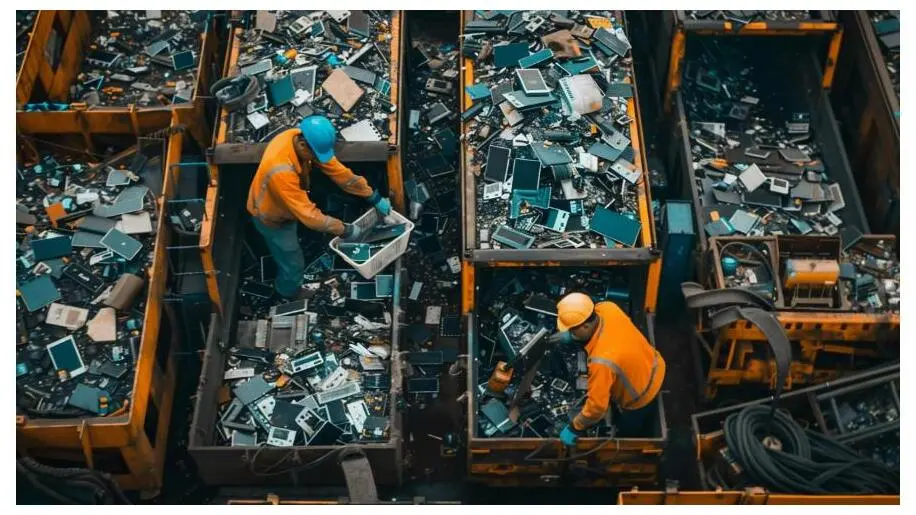
Recycling becomes the preferred path when the estimated gross resale value of an asset falls below the combined cost of logistics, processing and data destruction. Assets older than five to seven years, consumer-grade equipment, legacy tape libraries and basic monitors under 24 inches typically have minimal secondary-market value. This threshold typically arrives at the five-year mark for laptops and seven years for servers, as outlined in the timing factors above. Full Circle Electronics evaluates each asset individually and routes it to the highest-value outcome, including remarketing, parts harvesting or certified recycling, with a zero-landfill commitment for all processed material.
Conclusion and Next Steps for IT Asset Recovery
IT asset recovery buyback pricing reflects asset age, specifications, condition, volume, payout model and fee structure working together. Organizations that act at the point of refresh, select transparent revenue-sharing models and work with certified providers consistently recover more than those relying on opaque, fixed-price or ad hoc approaches.
Full Circle Electronics brings more than 20 years of ITAD experience, a certified facility network spanning the U.S., Mexico and Colombia and a transparent revenue-sharing model backed by the full suite of industry certifications detailed above. Every engagement is tracked through a real-time client portal with audit-ready reporting from pickup through final disposition.
Schedule a consultation to submit an asset inventory for evaluation or request a quote for an upcoming IT refresh or data center decommissioning project.